|
 |
Nature At Home |
 |
Property Spotlight |
 |
Browse Listings |
 |
Special Features |
|
|
 |
|
|
|
Call 1-800-552-1136 or (386) 446-6200 |
Sea Turtles: Return Visitors to Hammock Dunes
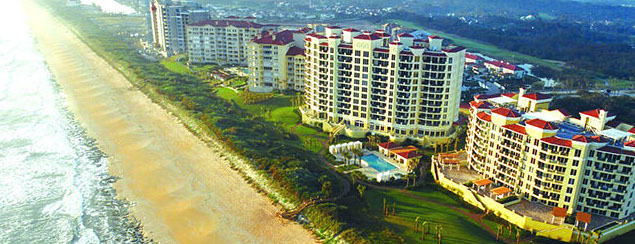
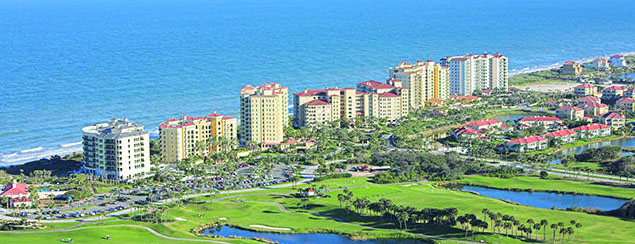
Resident Ted Knopf strolls along the beach at Hammock Dunes several mornings
a week but not for his health. Heıs looking out for something else.
"My job as a volunteer for the Flagler Sea Turtle Preservation Society is to
monitor the beach, identify, mark and register each nest, then stake it out
to protect it."
From May to October, a variety of sea turtles pay special visits to Hammock
Dunes. Most are loggerheads, as Floridaıs East Coast ranks as this
threatened speciesı second-largest nesting site. While the Hammock Dunes
shoreline has had 25 nests each of the last three seasons, you may not catch
a glimpse of all the activity.
"It is very rare to see a sea turtle go through the nesting process," Knopf
said. "Only females come ashore, in the late evening and nighttime hours, to
lay 80 to 150 eggs and return to the water before daylight."
During nesting, female turtles crawl up the beach to a point well
above the high tide line where, using her rear flippers, she digs a chamber
and deposits about 100 eggs, and then gently covers the eggs with sand
before returning to the water. |
And many have been here before. Although the turtles may have to travel from
1,000 to 3,500 miles, most will return to the approximate place where they
were born. Thatıs a lot of trips, as sea turtlesı lifespan is 75 to 100
years.
Knopf is committed to making sure each visit is a productive one.
"It is estimated that less than two percent of hatchlings survive to
maturity," Knopf said. "To keep this number as high as possible, three days
after the nests hatch, they will be opened, and any live turtles will be
released and a nest report is completed for the Sea Turtle Preservation
Society."
Hammock Dunes helps out by following special lighting requirements for
beachfront property to help the nesting process be as successful as
possible.
"The Hammock Dunes community has been very cooperative and supportive of our
sea turtle activities," Knopf said. "We couldnıt do it without them."
Less than two percent of hatchlings, including those which make their way to
the sea across the beaches of Hammock Dunes, will survive to maturity.
|
 |
|
|